
CERTIFIED RADON TESTING & RADON MITIGATION IN OKLAHOMA
Clear Radon provides professional radon testing and radon mitigation services throughout Oklahoma, including the Oklahoma City and Tulsa metro areas. Whether you're buying a home, selling a property, or simply seeking peace of mind about your indoor air quality, our certified radon professionals deliver accurate testing, effective mitigation systems, and reliable services for residential and commercial properties.

OKLAHOMA RADON RISKS
The only way to know if your home or business in Oklahoma has high radon levels is to TEST! The Oklahoma Department of Environmental Quality shares the EPA’s standards for radon remediation and testing. The EPA states that no matter where you live in Oklahoma, there is the potential for radon to enter your home. Regardless of your zone designation or geographic location, all homes should be tested for radon. No zone has no risk factor for radon.
The EPA recommends homes with radon levels at 4 pCi/L or higher should be mitigated [process to remove or lower the radon levels]. Radon levels less than 4 pCi/L still pose some risk and, in many cases, may be reduced.
The EPA divides all counties into 3 categories based on elevated radon levels, zone 1 is the highest risk, and zone 3 is the lowest. It is important to note: homes have tested higher than 4 pCi/L elevated radon levels in ALL ZONES.
Based in Northwest Arkansas - Serving Oklahoma
Clear Radon is headquartered in Bentonville, AR, but we regularly travel across state lines to Oklahoma to provide certified radon testing and radon mitigation services. We serve all of our Oklahoma communities with the same level of professionalism and care as we do our hometown!
Oklahoma service areas include:
Tulsa
Owasso
Jenks
Bixby
Bartlesville
Stillwater
Oklahoma City
Moore
Edmond
Norman
Broken Arrow
Certified Radon Services in Oklahoma
Clear Radon is committed to industry best practices and safe, effective mitigation design. Our technicians are professionally trained and follow nationally recognized radon mitigation standards through NRPP/AARST certifications.
When you choose Clear Radon, you receive:
Accurate, professional radon testing
Custom mitigation system design
Clean, efficient installation
Post-installation performance verification
Clear communication throughout the process
We guarantee to reduce your radon levels and give you confidence in your indoor air quality.
We provide radon services for both residential and commercial properties throughout Oklahoma:
Residential Radon Testing & Mitigation
Protect your home and family with professional radon testing and mitigation. We work with homeowners, buyers, sellers, and real estate professionals to ensure safe indoor air.
Multi-Family & Commercial Radon Services
Clear Radon partners with property managers, developers, and building owners to professionally test your property for radon, as well as design and install radon mitigation systems for apartments, condominiums, and commercial buildings. Our team understands the complexity of large structures and delivers compliant, effective solutions.
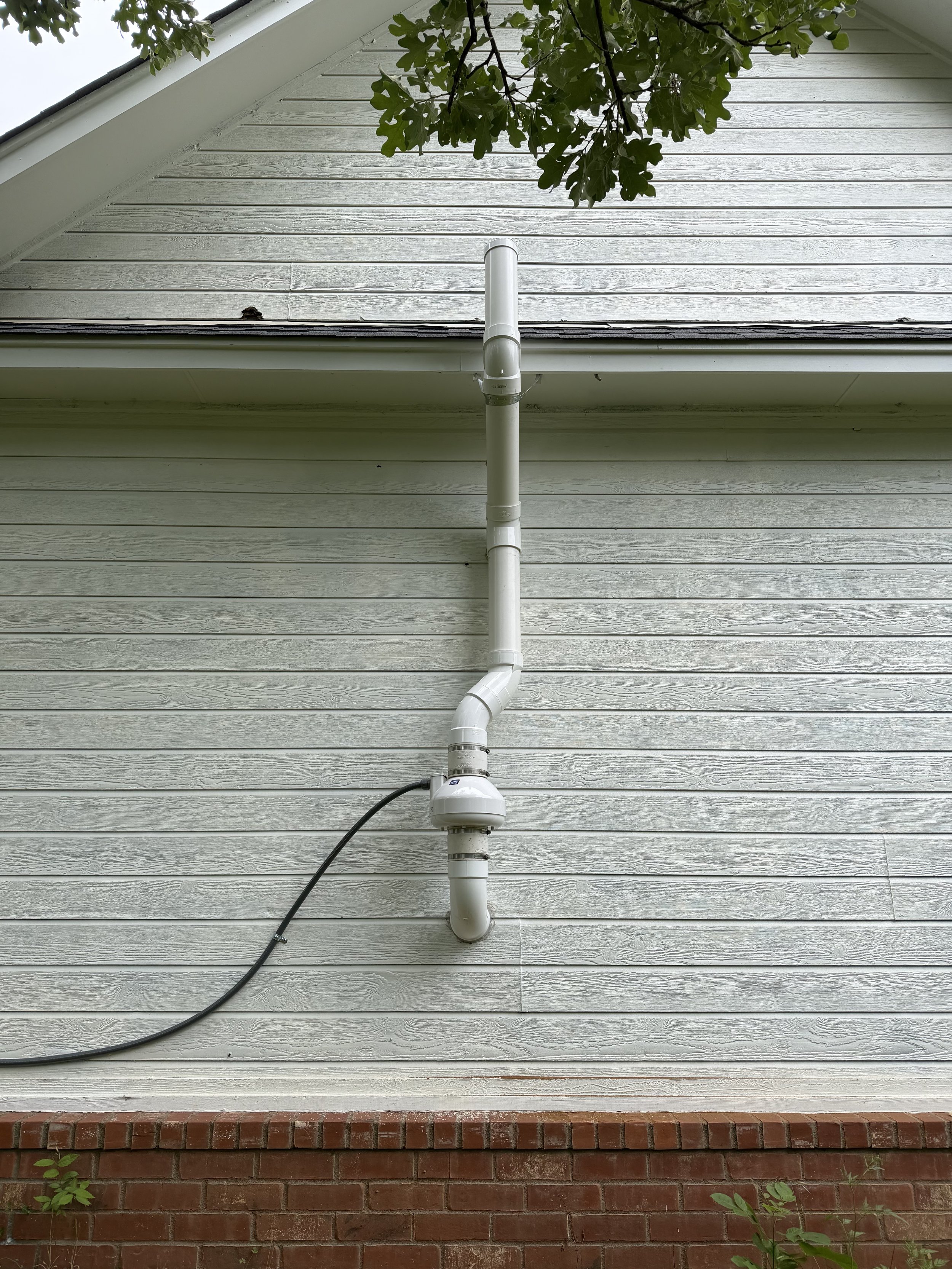
Exterior radon mitigation system installed in Tulsa, OK by Clear Radon

Interior radon mitigation system installed in Grove, OK by Clear Radon
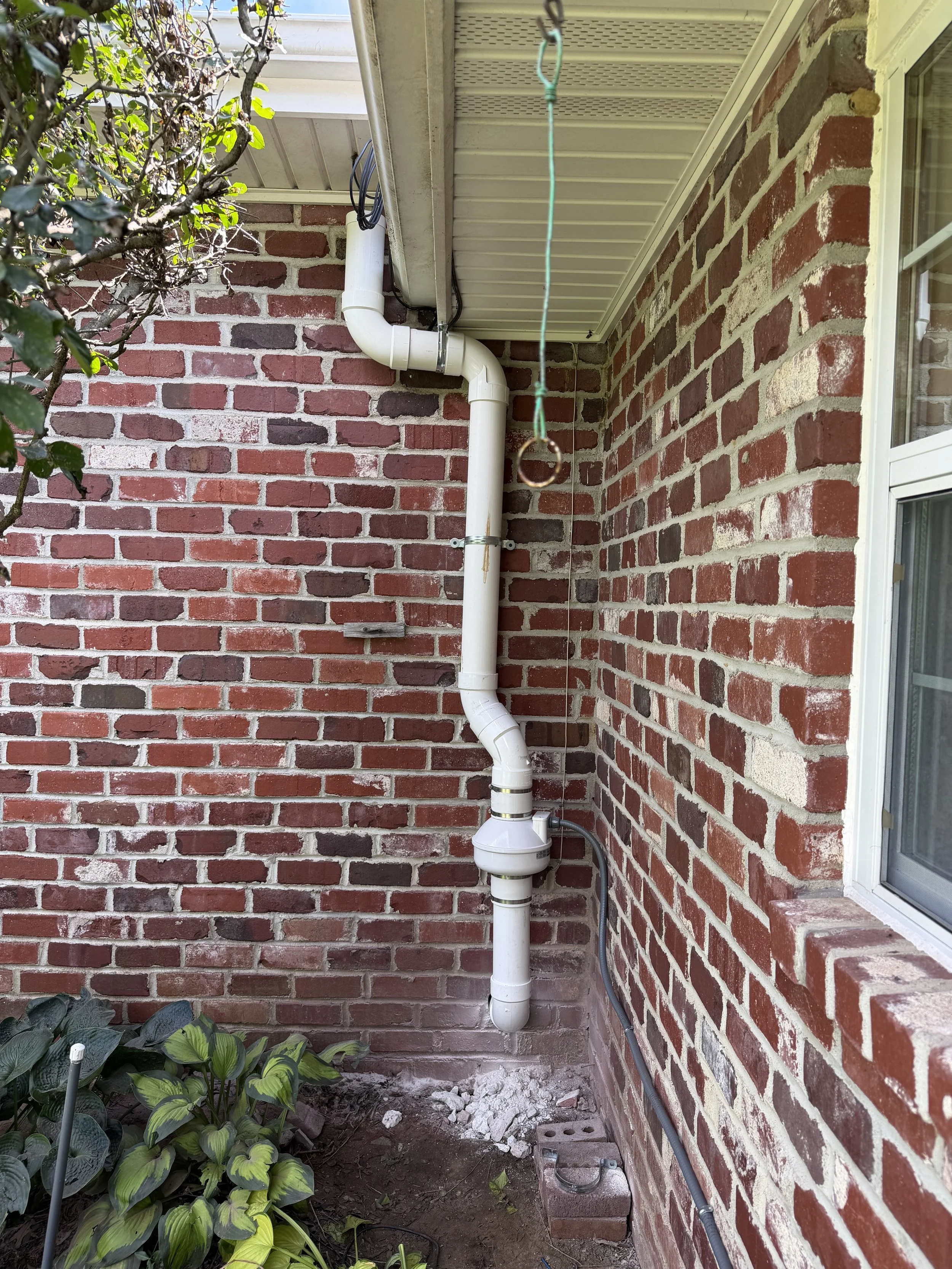
Bartlesville, OK radon mitigation system by Clear Radon
Oklahoma Radon FAQs
-
Many homeowners assume Oklahoma isn't a radon state because it doesn't have the reputation of states like Iowa or Colorado. However, elevated radon levels are found throughout Oklahoma, and the Oklahoma DEQ encourages testing. The EPA also emphasizes that every home should be tested regardless of county or zone.
-
Yes. Radon testing is highly recommended when buying a home in Oklahoma because radon is an invisible, odorless gas that can only be detected through testing. Many homebuyers choose to include radon testing during the inspection period so they can better understand the home's indoor air quality and address any elevated radon levels before closing.
It's important to remember that radon levels can vary significantly from one property to the next—even between neighboring homes. Because radon originates in the soil and enters homes through cracks, gaps, and other openings in the foundation, one home may test at low levels while the house next door reports elevated radon concentrations. Differences in construction, foundation type, ventilation, and soil conditions can all affect how much radon enters a home.
-
The cost of radon mitigation in Oklahoma can vary from home to home because every property presents unique challenges and opportunities for system design. While most radon mitigation systems use the same basic principle—venting radon gas safely above the roofline—the complexity of the installation can significantly impact the final cost.
Several factors that affect radon mitigation pricing include:
Foundation type: Homes with slab-on-grade foundations, basements, crawlspaces, or a combination of foundation types may require different mitigation approaches.
Home size and layout: Larger homes or homes with multiple foundation sections may require additional suction points or more extensive piping.
Pipe routing: The location of the ideal suction point and the path needed to vent the system can influence labor and material requirements.
Fan placement: Some installations allow for simple exterior mounting, while others require more complex routing through attics, garages, or other areas of the home.
Crawlspace conditions: Homes with crawlspaces may require encapsulation or specialized mitigation techniques in addition to standard venting methods.
Because radon mitigation systems are custom-designed for each home, the most accurate way to determine cost is through a professional evaluation. A qualified radon professional can assess your home's construction, foundation type, and radon levels to recommend the most effective solution.
At Clear Radon, we provide honest recommendations and customized mitigation plans designed to effectively reduce radon levels while fitting the unique needs of your Oklahoma home.
-
The EPA recommends mitigation when levels reach 4.0 pCi/L or higher and suggests considering mitigation between 2.0 and 4.0 pCi/L.